

10‑bit 4:2:2 Video – Key to Professional‑Grade Color
10‑bit 4:2:2 Video – Key to Professional‑Grade Color
In photography and filmmaking, color is the language of emotion. The deep tropical blues of the open sky can evoke a sense of freedom and excitement, while the warm golden hues of an ancient town whisper nostalgia and calm. To faithfully preserve these delicate emotional tones, travel filmmakers need a imaging tool that can reproduce colors with absolute authenticity. That’s why Canon equips its EOS R series with 10‑bit 4:2:2 video recording—empowering creators to elevate travel visuals to a new standard of cinematic excellence.
The Revolution from 16 million to 1 billion Colors
To understand the significance of 10‑bit recording, it helps to compare it with the standard 8‑bit format commonly found in smartphones and older cameras. An 8‑bit video can capture about 16.7 million colors—a number that sounds impressive, yet still falls short when faced with the richness and complexity of the natural world. Canon’s 10‑bit video, on the other hand, records up to 1.07 billion colors. The difference is staggering—64 times more color data than 8‑bit—unlocking smoother gradients, richer tonal transitions, and far more accurate color reproduction.
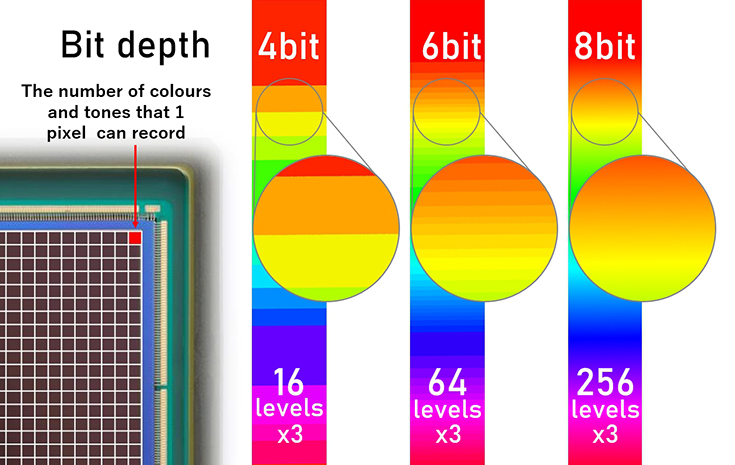
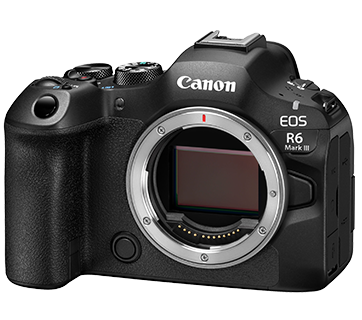
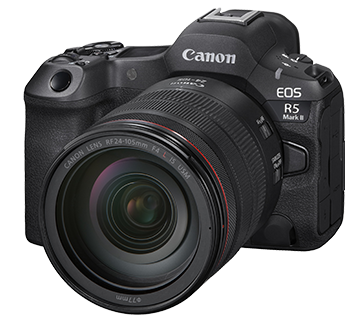
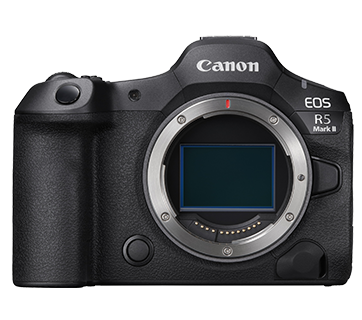
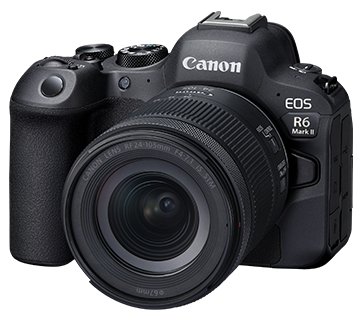
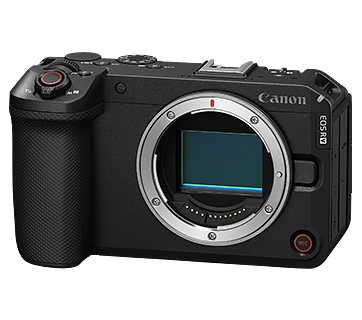
What does this mean for Travel Creators? It means your color transitions become flawlessly smooth. Think back to the times you filmed a sunset sky or the vast ocean on a smartphone, only to see harsh stripes or patchy color blocks appear—an issue known as banding. This happens when a device doesn’t capture enough color data to render the subtle shift from deep blue to soft blue. With 10‑bit 4:2:2 video on the EOS R6 Mark II or EOS R5 Mark II, this problem disappears entirely. Your skies will look silky, deep, and true to life—just as your eyes saw them. Every gradient becomes seamless, every horizon more cinematic, and every travel moment more breathtaking.
4:2:2 Color Sampling — Sharpness from Within
Beyond bit depth, Canon also employs the 4:2:2 chroma subsampling standard. Compared to the common 4:2:0 format—which reduces color information to keep file sizes smaller—4:2:2 preserves twice as much color data for every pixel. This makes a tremendous difference in the sharpness and clarity of your footage. When you’re capturing scenes filled with intricate detail and rich, layered colors—like autumn forests, vibrant ethnic textiles in the highlands, or coral reefs beneath the ocean surface—4:2:2 ensures edges stay clean, colors stay separated, and every element remains crisp without unwanted color bleeding.
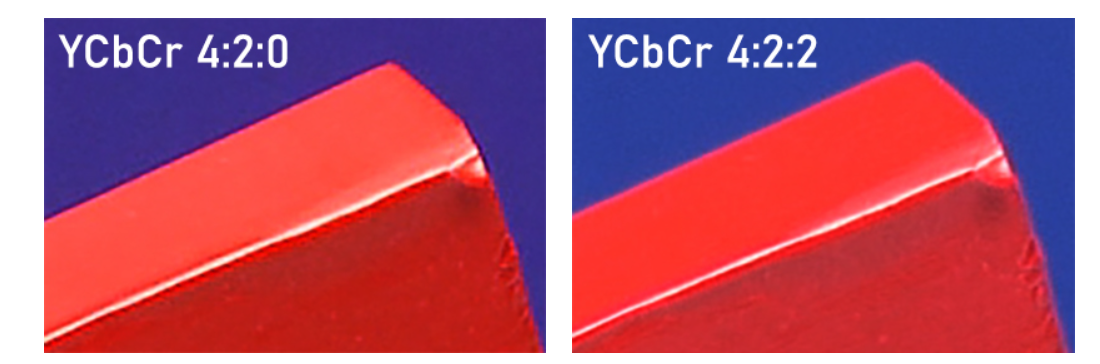
Especially if you work with visual effects such as green screen/chroma key or need to zoom and crop your footage in post‑production, shooting in 4:2:2 provides a much cleaner, more professional result. The extra color information ensures smoother edges, more accurate keying, and higher image integrity—even after heavy editing.
Creative Freedom with HDR PQ and Canon Log
The true power of 10‑bit shines when paired with Canon’s Log profiles or HDR PQ recording modes.
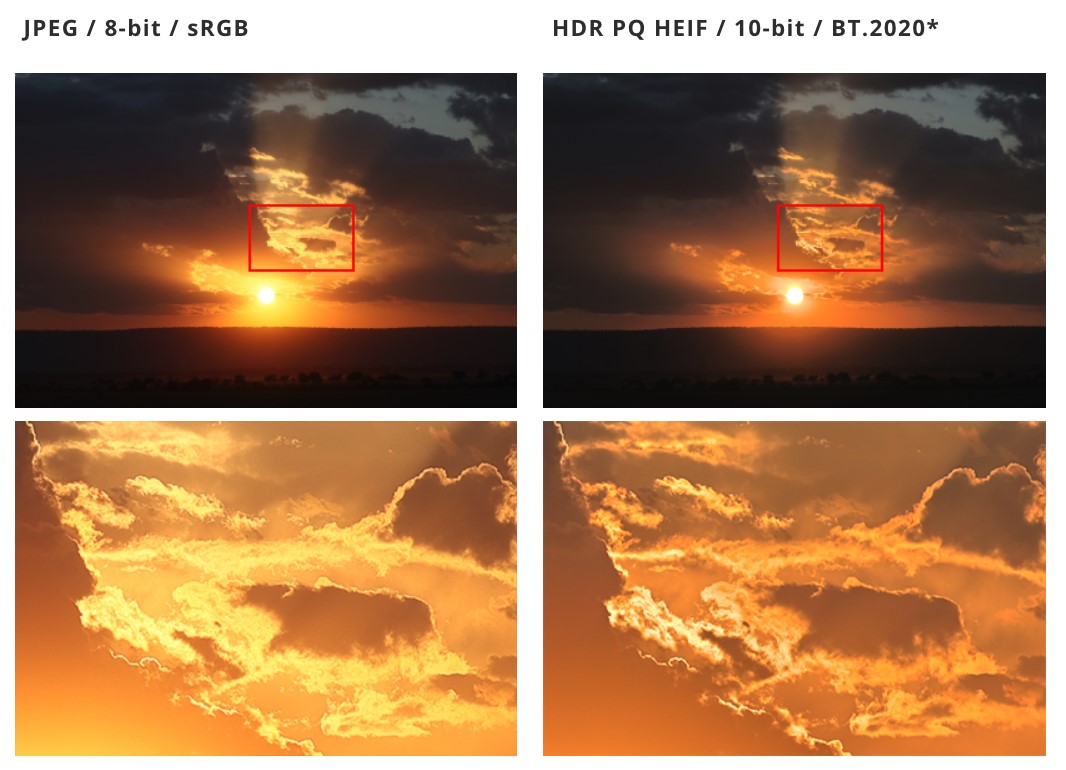
HDR PQ
This mode lets you record and view high‑dynamic‑range (HDR) footage directly on modern HDR‑capable TVs and monitors—without the need for complex color grading. Your travel videos will shine with brilliant highlights, deep blacks, and a lifelike visual experience that pulls viewers right into the scene.
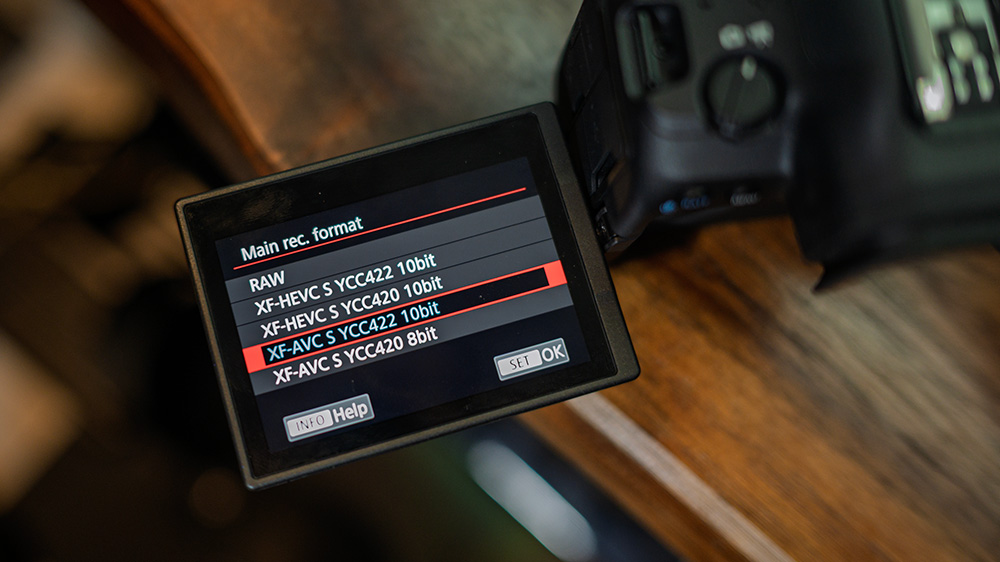
Flexible Post‑Production
With its vast color data, 10‑bit footage is incredibly flexible in post‑production. You can make bold, dramatic color adjustments without losing detail or degrading image quality—something 8‑bit video simply can’t withstand.
Shooting in 10‑bit 4:2:2 isn’t just a technical spec for professionals—it’s the new standard for anyone serious about preserving their memories. It ensures that your travel footage remains timeless, retaining its breathtaking beauty even as display technology continues to evolve in the years ahead. Canon gives you the power to capture the world in all its glory and preserve it perfectly within a single memory card.